Artificial intelligence Environmentalist
Why we need an Artificial intelligence Environmentalist system
Our Solutions
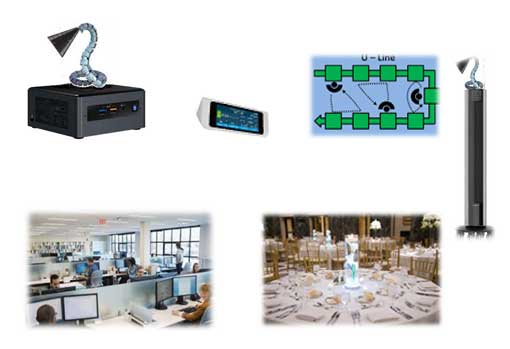
If the contaminate is deemed not filterable, the system will inflate an emergency contaminate bag, or if connected to an external line, it will expel it. When AiE is used as a single unit or is networked with more units, AiE has a central control system that can be on location or used with an App at any remote location.
Each AiE sends a notice to its control panel regarding location and contaminate type and action taken.
Upon the air retuning to levels that are acceptable, AiE will retract the robotic arm and revert back to monitoring mode. The AiE system saves logs of events for analysis.

Our Execution
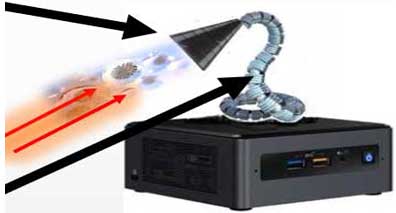
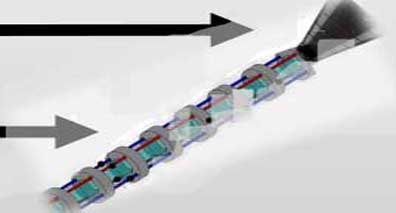
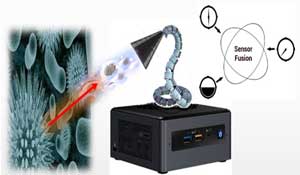
AiE uses its funnel shaped head for monitoring air quality. AiE’s cone tip maneuvers to preset coordinates, pulling in air samples. A user can manually move the arm to be closer to the cause of a contaminant. Upon any “bad air” detection AiE‘s air intake goes to full power, extending the robotic arm outward. (Unrolling it)
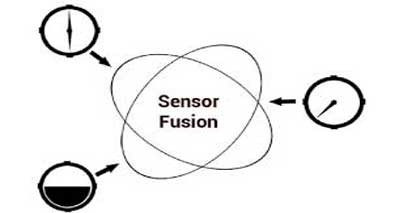
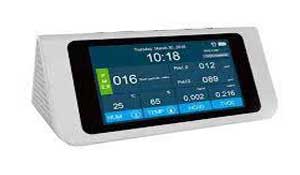
AiE uses multiple sensors to detect any excessive amount of “bad air”. This potential “bad air” could be a contaminant gas or smoke, a pathogen, or simply the cough or sneeze from a person in the room. If the contaminate is filterable, the system channels the air to the internal filters and then back out.
AiE was originally designed for factory air safety and it is now finding its way to offices, classrooms, restaurants and home kitchens. Each AiE sends a notice to its control panel regarding location and contaminate type and action taken. Upon the air retuning to levels that are acceptable, AiEwill retract the robotic arm and revert back to monitoring mode. The AiE system saves logs of events for analysis.